
What does PPF do?
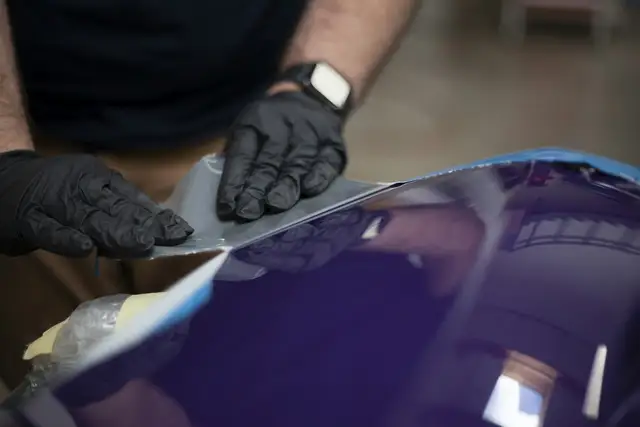
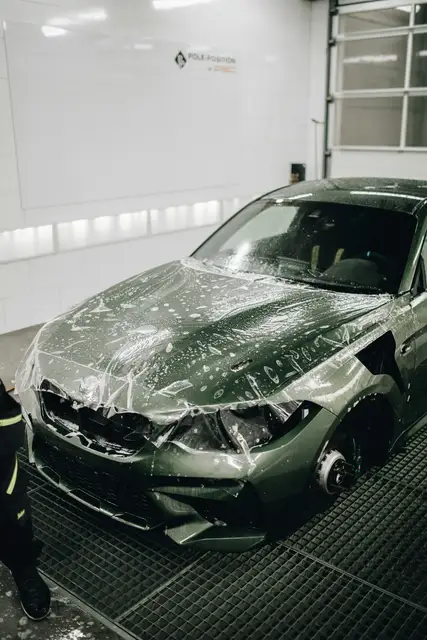
PPF is a clear film applied on top of the paint. Thanks to its thickness it absorbs the impact of stones and gravel, holds fine scratches in its own surface and stops them reaching the paint. When the film is worn it is removed, leaving protected paint underneath.
What does ceramic coating do?
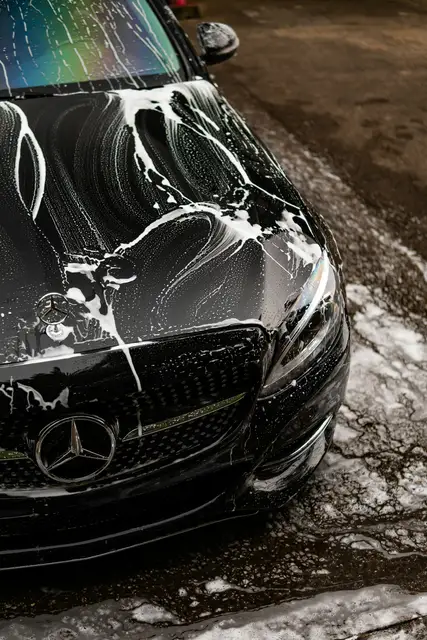
Ceramic coating is a very thin chemical layer that bonds to the paint. It gives the surface gloss and marked water repellency, so the car stays clean longer and washes more easily.
But this layer is very thin and cannot stop the impact of a stone. A stone chip forms on a ceramic-coated car just as it does on an uncoated one.
Which should you choose?
The decision depends on what you want to solve. If what bothers you is stone chips on the bonnet and scratches on the bumper, ceramic coating does not solve that problem. PPF does.
If your car is driven mostly in the city, stone chips are not a concern and what you want is a glossy surface that is easy to clean, ceramic coating may be enough.
If your budget covers only one and you are torn between the two, look at partial PPF. Bonnet or Front Section coverage puts physical protection where it is needed most.
Can you have both?
Yes. A common approach is to apply PPF to the at-risk panels and ceramic coating to the whole car. Ceramic coating can also be applied over PPF. The film then takes the impact and the ceramic layer makes cleaning easier.
Questions on this topic
It gives limited resistance to very light wash marks, but it does not prevent stone impact or noticeable scratches.
Yes. The top coat of Ozon PPF repels water and dirt, so a film-covered surface is also easy to clean.