
What is partial PPF?
Not every panel of a car carries the same risk on the road. Stones and gravel thrown up by the car in front hit the bonnet, the front bumper and the leading part of the wings. The doors, the roof and the boot lid take far fewer hits.
Partial PPF is planned around that fact: the film goes onto the panels where the risk is high, and the rest are left uncovered. Both the amount of film and the labour time go down, and the price drops noticeably.
Bonnet or Front Section?
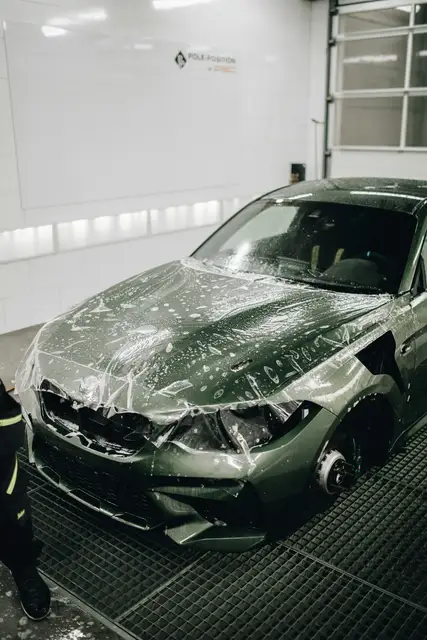
Bonnet coverage is a single panel and the most affordable option. The bonnet is a wide, flat surface, so stone chips are most obvious here. For cars driven mostly in the city it is enough protection.
Front Section coverage adds the front bumper, the front wings and the mirrors to the bonnet. On the motorway the part that takes the most hits is actually the bumper, so the Front Section is the better choice for regular long-distance drivers.
Is the film line visible?
This is the most common question. When the film covers a whole panel and is wrapped inwards at the edges, the finish line sits in the panel gap and is not noticed. That is why coverage is planned by whole panel, not by half panel.
There is no colour difference between covered and uncovered panels, because the film is clear. Over time the only difference is that the covered panels carry fewer marks.
Can coverage be extended later?
Yes. You can cover the bonnet or the front section first and add other panels later. You don't need to set aside the whole budget at once. Newly added panels look the same as the existing film.
Questions on this topic
Single-panel jobs such as the bonnet are usually finished the same day. Front Section coverage can take longer, depending on the shape of the bumper. The estimated time is given when your booking is confirmed.
Yes. Coverage is set panel by panel. Just write which panels you want in your booking request.